


Paving the Way for the Future at South Valley Regional Airport
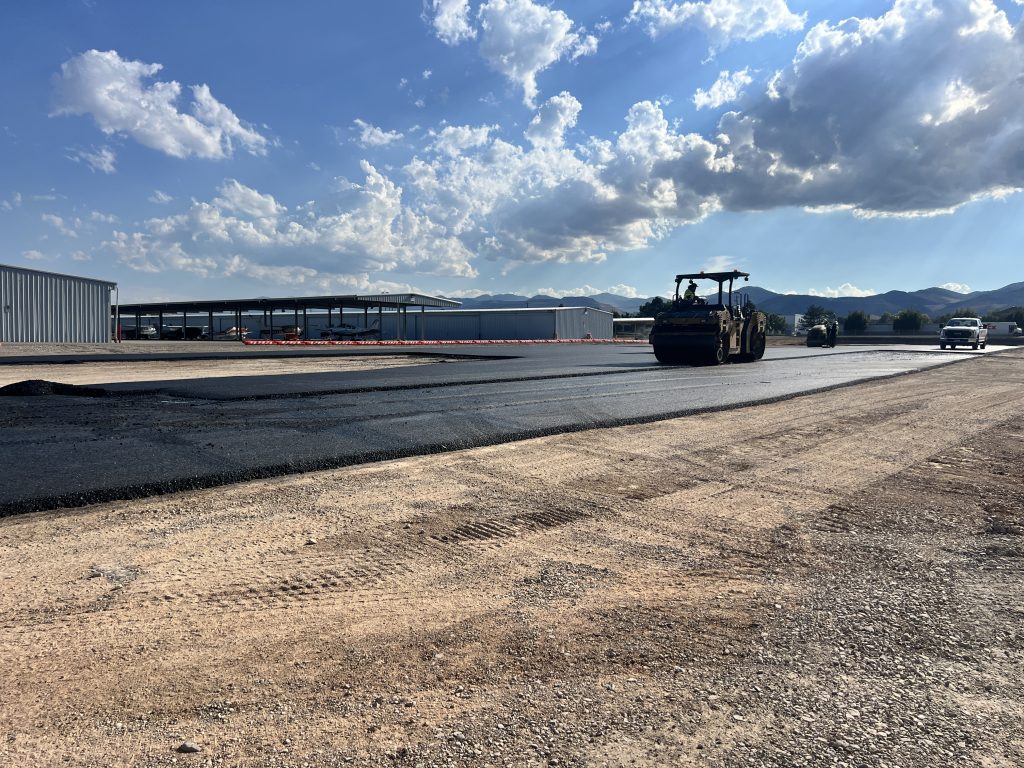
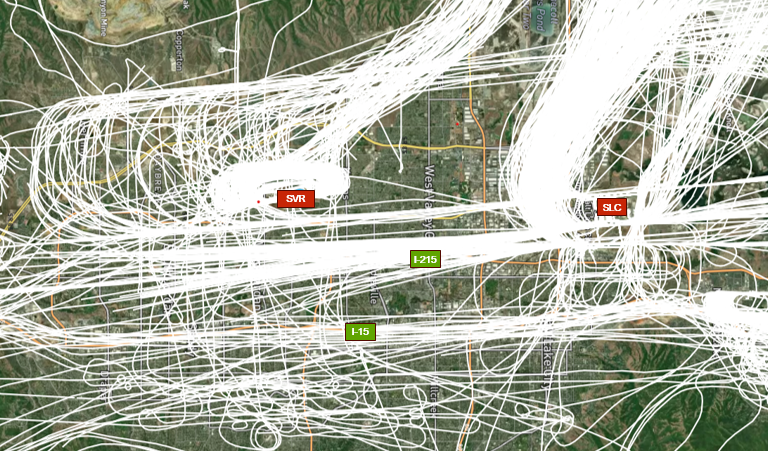
Under the flight path of the busiest commercial airport in Utah sits another growing hub of flight activity—South Valley Regional Airport.
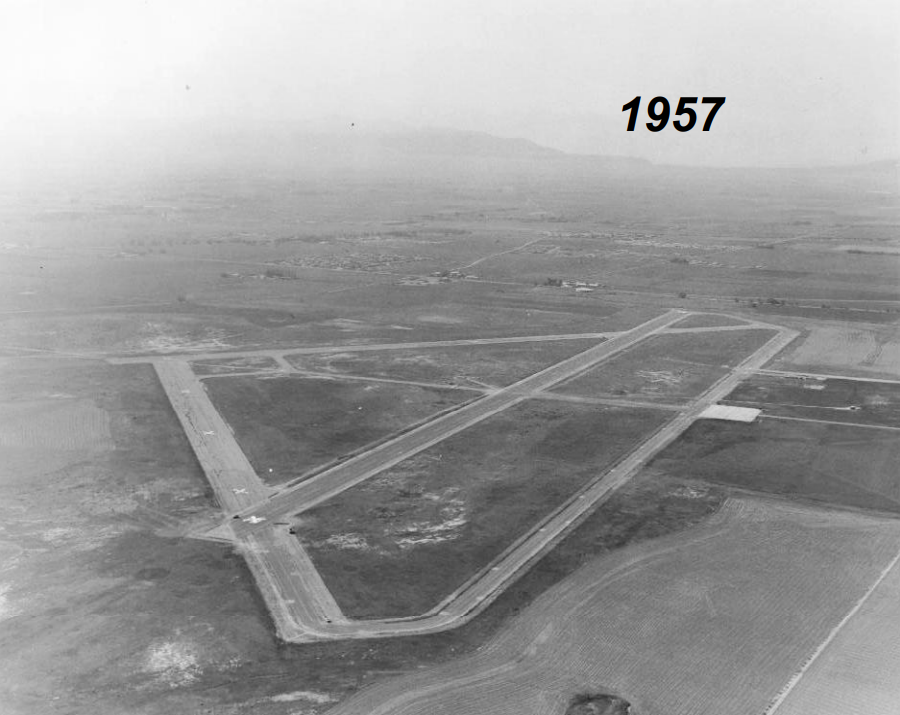
Established in 1942 as an Army training site, South Valley Regional Airport (SVR) now operates as a mixed-use facility. It supports military operations with the Utah National Guard and four flight schools. SVR’s primary purpose is to be the main reliever airport for general aviation flights for Salt Lake City International Airport.
Demand in general aviation has soared in SLC. The number of flights taking off and landing at SVR has increased nearly 19% from 2023 through 2025, which saw more than 125,000 operations at the airport. This year’s data shows an expected growth of another 5% by the end of 2026.
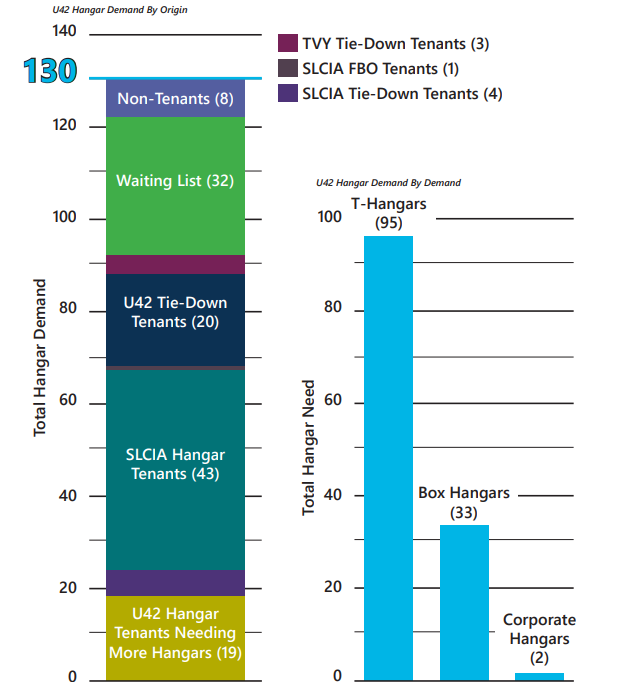
According to a general aviation tenant survey done between 2021 and 2022 for the 2024 SVR Master Plan, SVR must build 130 hangars for the forecasted demand. That number is expected to increase as general aviators seek alternative hangar and tie-down options away from SLC International.
Near-Term Projects
Change is already under way at SVR to meet the high demand. A new Fixed Base Operator (FBO), SkyShare, opened at the airport in August. The FBO oversees hangar leasing and development as well as day-to-day operations for aviators.
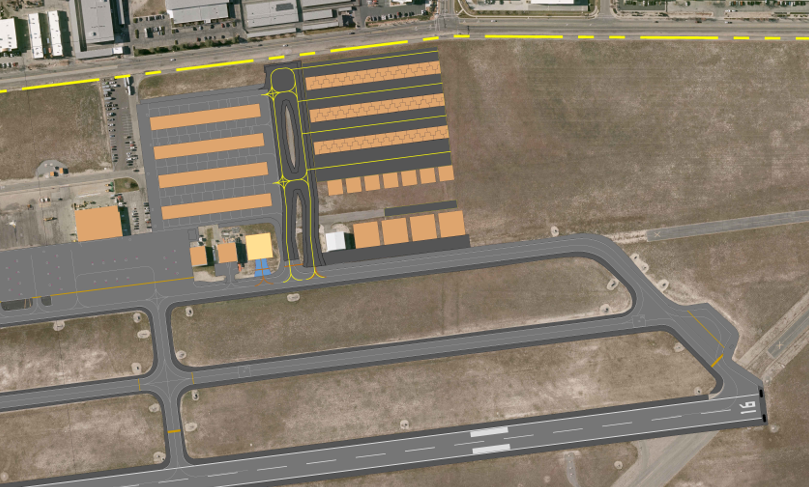
Two dual taxilanes are under construction that will provide access to future hangar developments for Group II aircraft. The hangars will sit just north of the taxiway and will accommodate 75 T-hangars, seven small corporate hangars and five large corporate hangars. Completion of this project is expected by 2028.
Projects With More Runway
In August 2025, SVR was accepted into the FAA program to begin operating a FAA contract tower by 2032. Thanks to a $3.198 million grant from the FAA, a Request for Qualifications was issued in August for engineering services. Having an FAA tower will enhance traffic flow coordination as demand increases.
Over the next 20 years, significant changes are planned for SVR. This includes the addition of approximately 50 T-hangars, 55 corporate hangars, utility improvements and assessing options to shift or extend the runway to accommodate general aviation demands.
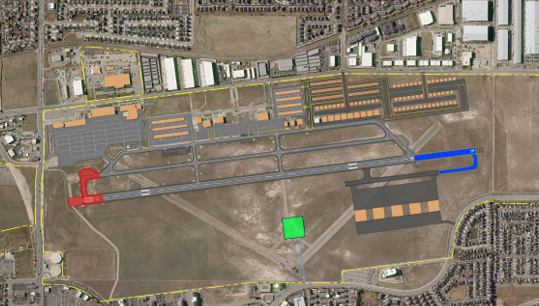
The Master Plan also takes into consideration development on the east side of the airport, which is largely vacant. This aeronautical campus would accommodate research, training and aircraft manufacturing facilities.